HAMPSHIRE OFFICE


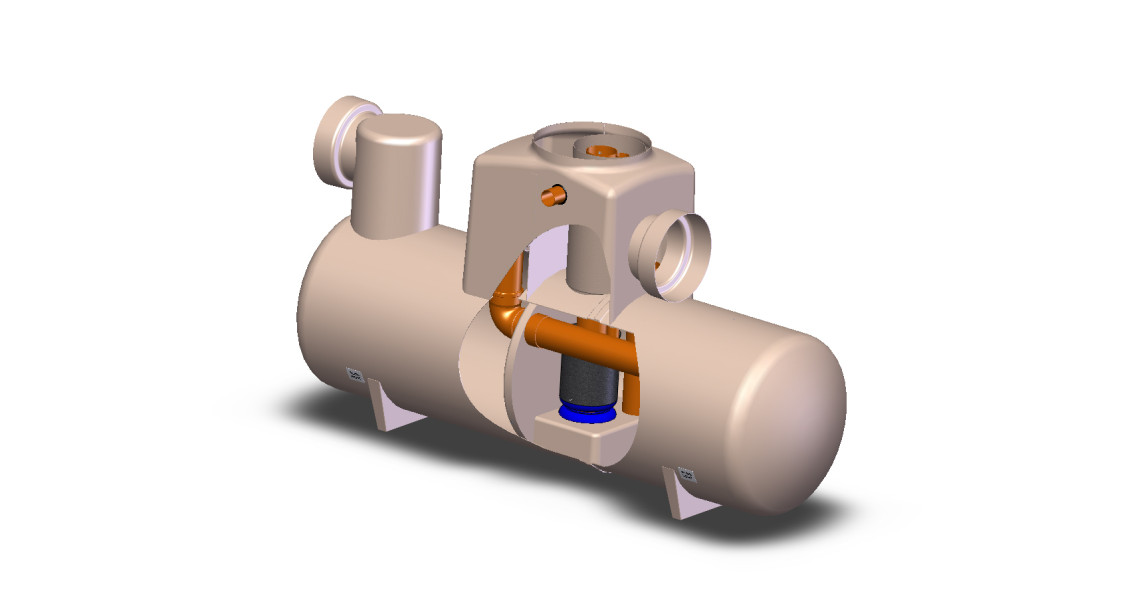

Description
With strict regulations in place for discharge of pollutants such as oil into the mains sewer, and with oil in particular being difficult to treat, an oil separator is the ideal solution for sites where oils and hydrocarbons have a high risk of entering the sewer.
A variety of separators & interceptors are available, and you will need to ensure that you select the correct one for the application. With the discharge requirements for oil separators possibly varying depending on location, the appropriate environmental control authority needs to be contacted before any oil separator is specified. Should the discharge be into the public sewer, then the local Building Control, Water Authorities and Water Companies should also be contacted.

The different types of separators are:
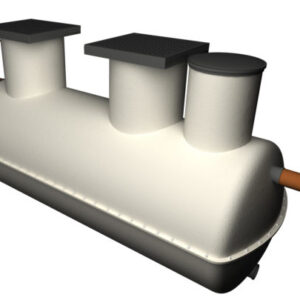
Full Retention Separators
Full retention separators can be used in car parks, roadways, fuel distribution depots, vehicle workshops and forecourts. Full retention separators treat the full flow that can be delivered by the drainage system. This is normally equivalent to the flow generated by a rainfall intensity of 65mm/hr. Full retention separators are used in high risk spillage areas such as fuel distribution depots, vehicle workshops or scrap yards.
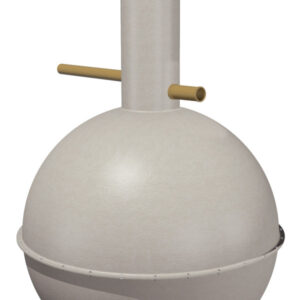
Bypass Separators
Bypass separators are used when it is considered an acceptable risk not to provide full treatment, for very high flows, and are used, for example, where the risk of a large spillage and heavy rainfall occurring at the same time is small, e.g. surface car parks, roadways and lightly contaminated commercial areas. Bypass separators fully treat all flows generated by rainfall rates of up to 6.5mm/hr. This covers over 99% of all rainfall events. Flows above this rate are allowed to bypass the separator. Separators are designed and tested to EN 858-1. All models are robust, lightweight and easy to install.
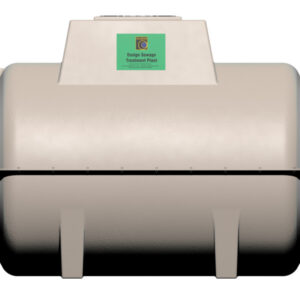
Forecourt Separators
Forecourt separators are full retention separators specified to retain on site the maximum spillage likely to occur on a petrol filling station. They are required for both safety and environmental reasons and will treat spillages occurring during vehicle refuelling and road tanker delivery. The size of the separator is increased in order to retain the possible loss of the contents of one compartment of a road tanker, which may be up to 7,600 litres. Separators are designed and tested to EN 858-1. All models are robust, lightweight and easy to install.
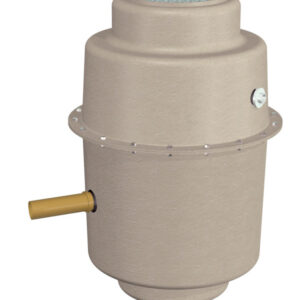
Washdown Separators
Washdown and silt traps can be used in areas such as car wash and other cleaning facilities that discharge directly into a foul drain, which feeds into a municipal treatment facility.